


For decades, manufacturing success was measured by one thing: speed.
The mantra was simple — faster cycles, shorter lead times, and higher output meant stronger competitiveness.
But today's reality is different. Global supply chain volatility, rising energy costs, stricter compliance, and increasing sustainability demands mean that chasing speed alone no longer guarantees success. In fact, it often creates new risks.
factory of the futurewill not be defined by how fast it can run, but by how precisely, sustainably, and reliably it can operate.
The Hidden Cost of Speed
On paper, speed looks attractive: more products per shift, higher volumes, and quicker delivery. But speed without precision is a trap. It creates cracks that quietly erode competitiveness:
- Defects and Rework: Faster cycles often mean higher defect rates. Each rework wastes material, labor, and energy.
- Resource Inefficiency: Speed can amplify waste, from energy surges to excess scrap
- System Fragility: Processes designed for speed alone tend to break under pressure when demand shifts or compliance rules change.
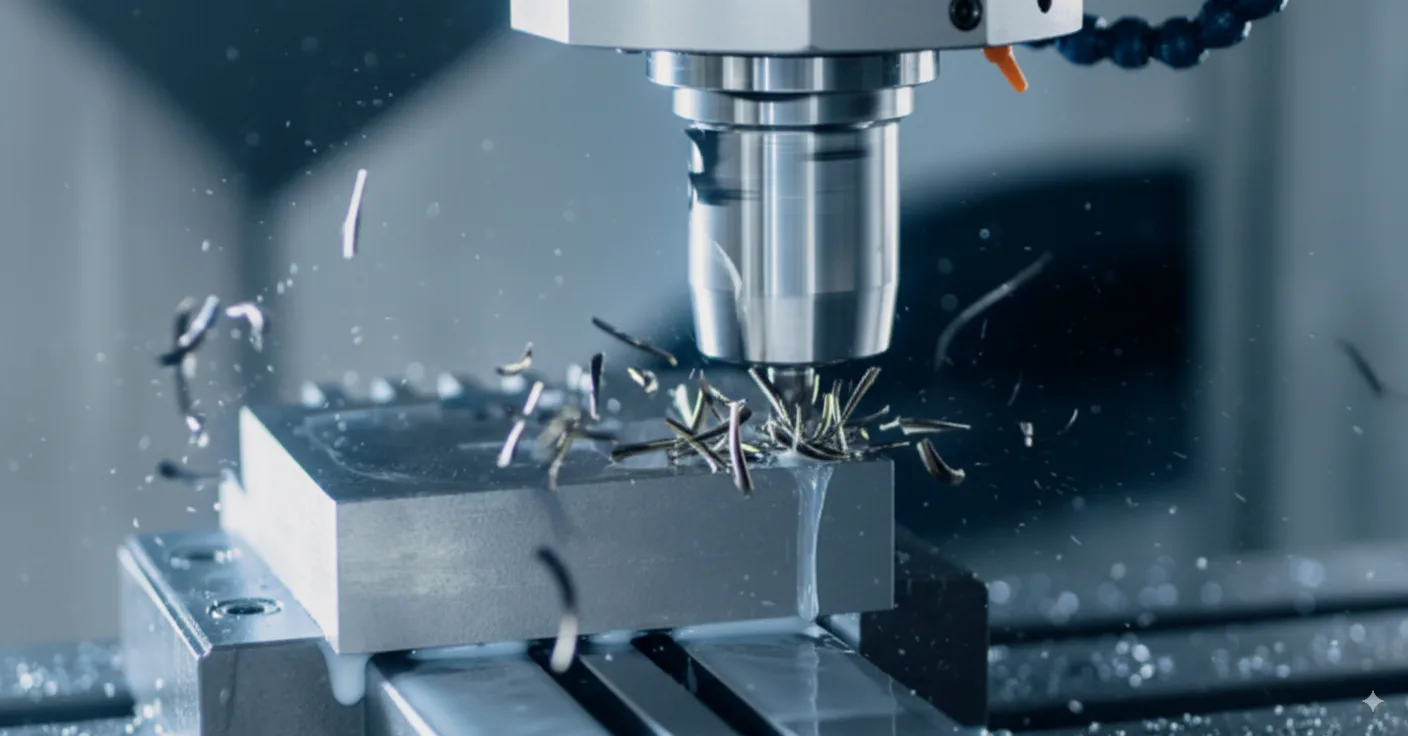
Example: An FMCG packaging line increased cycle speed by 15% to meet seasonal demand. Within weeks, product spillage rose by 25%, wiping out financial gains and creating compliance headaches.
Lesson: Speed without precision is like running faster with untied shoelaces — eventually, it causes a bigger fall.
Why Precision Wins
1. Protecting Resources
A process that gets it right the first time consumes less energy, fewer materials, and fewer labor hours. Precision isn’t just about quality — it’s about financial and environmental efficiency.
2. Enabling Sustainability
Manufacturers face growing pressure from governments, investors, and customers to operate sustainably. Speed cannot deliver sustainability. Precision does, by reducing rework, cutting scrap, and lowering energy footprints.
3. Building Resilience
Factories must adapt to fluctuating demand and unpredictable supply chains. Precise, reliable machines minimize downtime, stabilize quality, and adapt better to new requirements. Resilience is the new competitive edge.
From More to Right
The old playbook: add more machines to increase capacity. The new playbook: add the right machine to solve the right bottleneck.
Factories don’t need “more of everything.” They need Special Purpose Machines (SPMs) or integrated automation designed for the most critical steps. One precise fix often transforms the entire line — improving throughput, reducing costs, and achieving ROI in months, not years.
Example:
- A pharma plant struggling with labeling defects added a custom SPM with integrated vision systems.
- Defect rates fell by 40%.
- Compliance risk dropped significantly.
- ROI achieved in 8 months.
This is the future: smarter machines, not more machines.
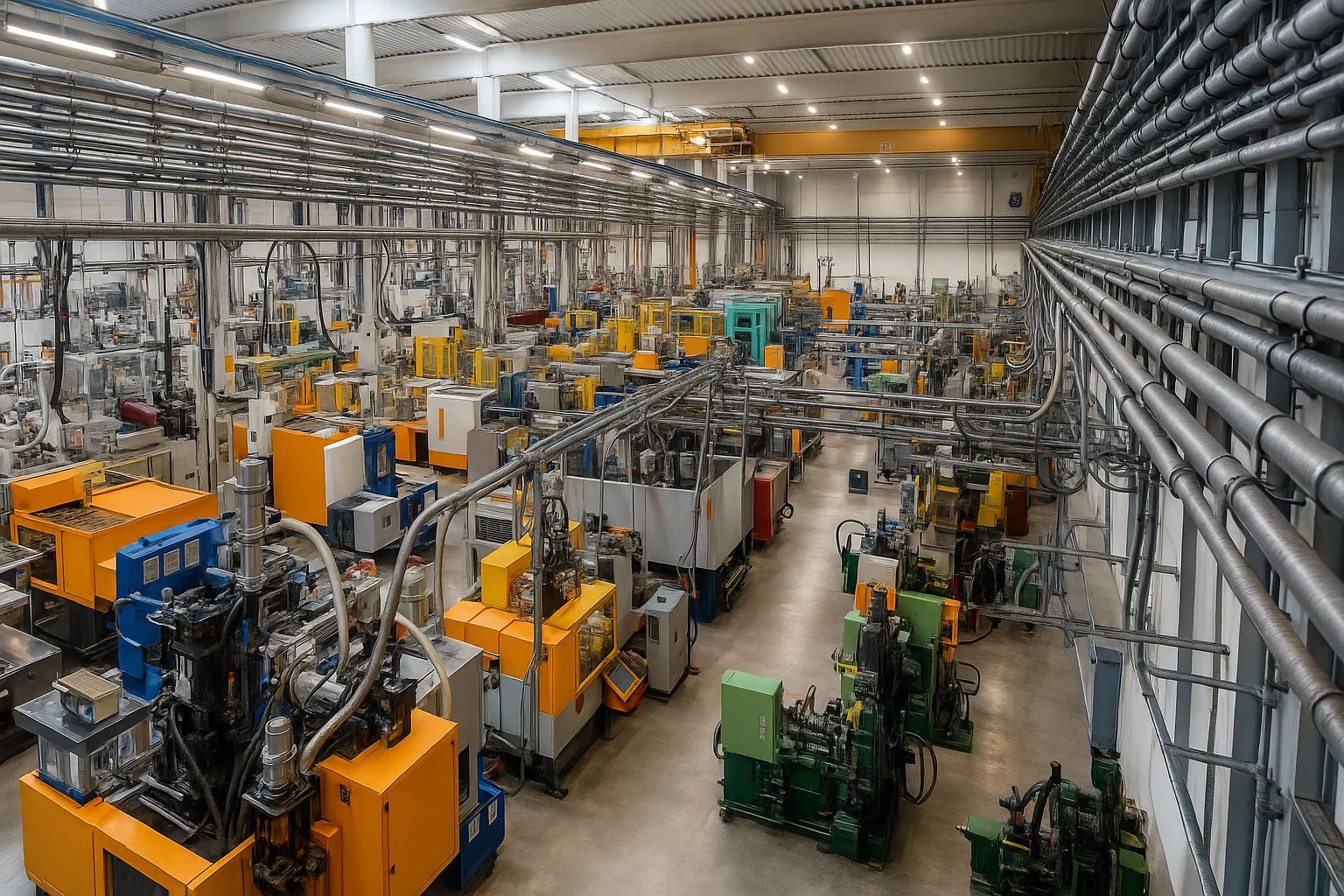
The Precision Playbook for Future-Ready Factories
To move beyond speed as the only metric, manufacturers should focus on four pillars:
1. Identify Bottlenecks, Not Just Gaps
Map your line to find where the slowest or least reliable process drags everything down. Fixing one bottleneck with precision engineering often has a bigger impact than adding multiple general machines
2. Measure Total Cost of Ownership (TCO), Not Just Price
Upfront cost is only part of the story. Maintenance, downtime, spare parts, and energy usage add up. Precision-built machines may cost more initially, but deliver lower TCO and faster ROI.
3. Integrate Digital Intelligence
Predictive maintenance, IoT sensors, and data-driven insights ensure machines stay precise over time. AI-driven monitoring prevents small errors from becoming large costs.
4. Design for Sustainability
Sustainability is no longer optional — it’s a competitive requirement. Machines that minimize scrap and energy use give plants both compliance security and cost advantages.
The factories of the future won’t belong to the fastest. They will belong to the most precise, reliable, and sustainable
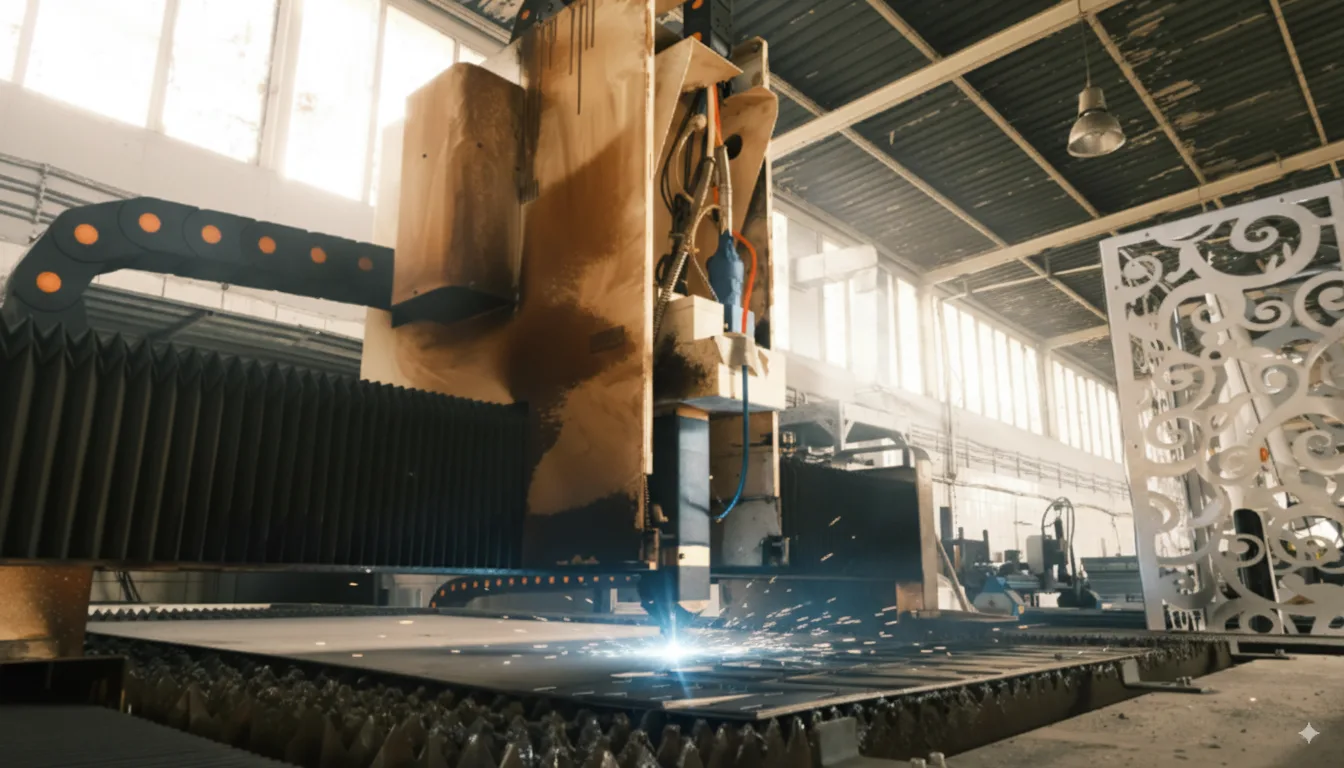
At CNN Robotics ApS , this principle shapes everything we build. Our machines are designed not to simply “do more,” but to do the right things consistently, efficiently, and with measurable ROI.
👉 What do you believe defines competitiveness today — speed, or precision?
